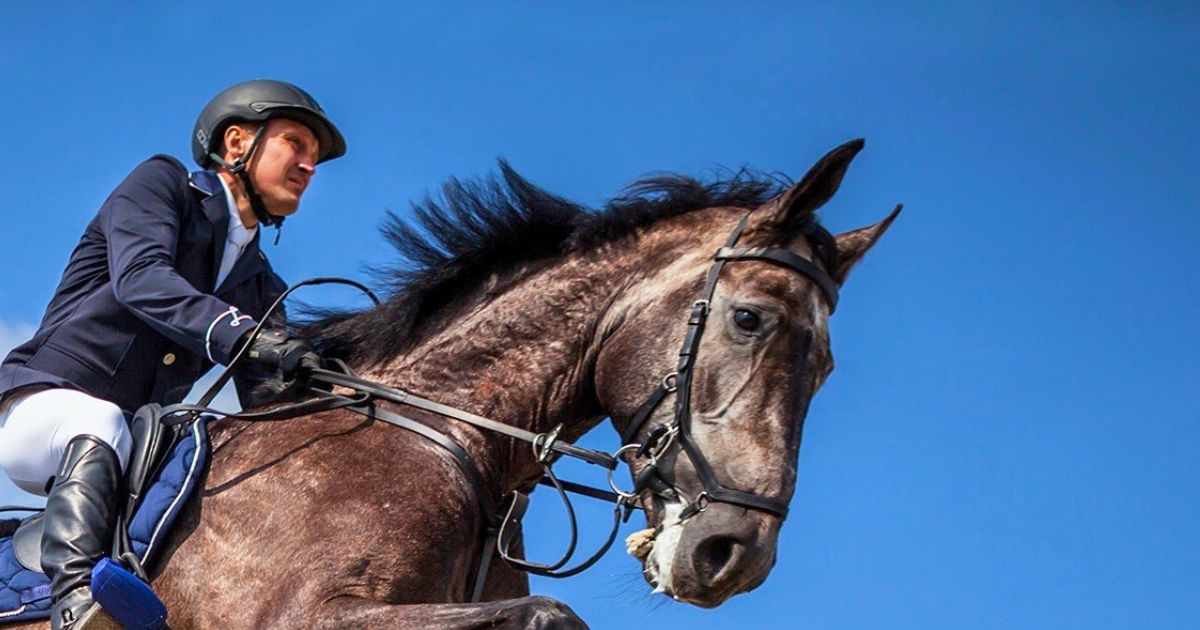
Horse Stables are so much more than simple boarding barns. Many stables host horse shows, clinics, competitions, rodeos, exhibitions, farm tours, youth programs, and other similar events. In Pennsylvania, those activities may qualify for important liability protections under the Pennsylvania Agritourism Activity Protection Act, Act 27 of 2021. This “Act” limits civil liability for qualifying agritourism activity providers when participants are injured during covered agritourism activities.
Why Horse Shows and Rodeos May Fit the Definition of Agritourism
The Act defines an “agritourism activity” as a farm-related tourism or entertainment activity that takes place on land used for “normal agricultural operations.” That phrase is important because Pennsylvania law has recognized commercial equine operations as normal agricultural operations in related contexts, including under the Agriculture, Communities and Rural Environment (“ACRE”) law. As a result, horse farms that host qualifying public events may be able to seek protection under the Act when those events are connected to the farm’s agricultural or equine operations.
A horse show, rodeo, equestrian competition, riding demonstration, or farm-based clinic may fall within the Act’s definitions of agritourism. This protection may be especially relevant for farms that invite spectators, competitors, families, volunteers, vendors, or guests onto the property.
What the Act Does—and Does Not—Protect
If the Act applies and the farm satisfies the statutory requirements, the agritourism activity provider generally is not civilly liable for injury or damages to a participant arising from the agritourism activity. However, the protection is not automatic and it is not absolute.
The Act does not protect a provider who acts with gross negligence, intentionally causes injury, engages in criminal conduct, or recklessly fails to warn or guard against a dangerous condition. It also does not provide immunity for injuries or damages arising from overnight accommodations, weddings, concerts, or food and beverage services.
Two Compliance Steps Matter Most
To benefit from the Act, a horse farm should pay close attention to two core requirements: posting the required warning sign and obtaining the required written agreement or ticket language before participation.
- Post the warning sign. The Act requires a warning sign must be at least three feet by two feet and placed in a clearly visible location at or near each farm entrance or at the site of each agritourism activity.
- Use a written agreement or compliant ticket language. The participant must sign the agreement before engaging in the activity, or substantially the same warning language may be printed on a ticket required for access to the agritourism activity.
- Use the required warning language. The statute includes specific wording for the sign and agreement, including language explaining that participants accept risks associated with the agritourism activity.
How This Interacts with Pennsylvania’s Equine Activity Immunity Law
Horse farms should also be aware that Pennsylvania has a separate Equine Activity Immunity Act. That law specifically addresses “equine activities”, including horse shows, fairs, competitions, rodeos, clinics, demonstrations, boarding, breeding, recreational riding, and other horse-related activities. Depending on the facts, a horse farm may want to evaluate both laws together as part of its risk-management plan.
Practical Takeaways for Horse Farm Owners
- Review whether each event is tied to agricultural land, horse husbandry, farm entertainment, rural lifestyle, education, or public participation.
- Use compliant signs at entrances and event areas, and inspect them before each show.
- Require signed participant agreements or compliant ticket warnings before participants take part.
- Do not assume the Act protects unrelated activities such as weddings, concerts, overnight stays, or food and beverage services.
- Coordinate with legal counsel and insurance professionals to align waivers, ticketing, signage, safety rules, emergency plans, and insurance coverage.
For Pennsylvania horse farms, the Agritourism Activity Protection Act can be a useful layer of protection when public events are structured as farm-related agritourism activities and the farm follows the statute’s notice and acknowledgment requirements. The law is not a substitute for safe operations, good documentation, trained staff, or appropriate insurance—but it may help reduce liability exposure for qualifying shows, competitions, rodeos, and similar farm-based equine events.
If you are curious whether your next event may be protected under the Agritourism Activity Protection Act, reach out to Attorney Nate McCormack.


