By Nate McCormack, Esq., Attorney, Aevitas Law
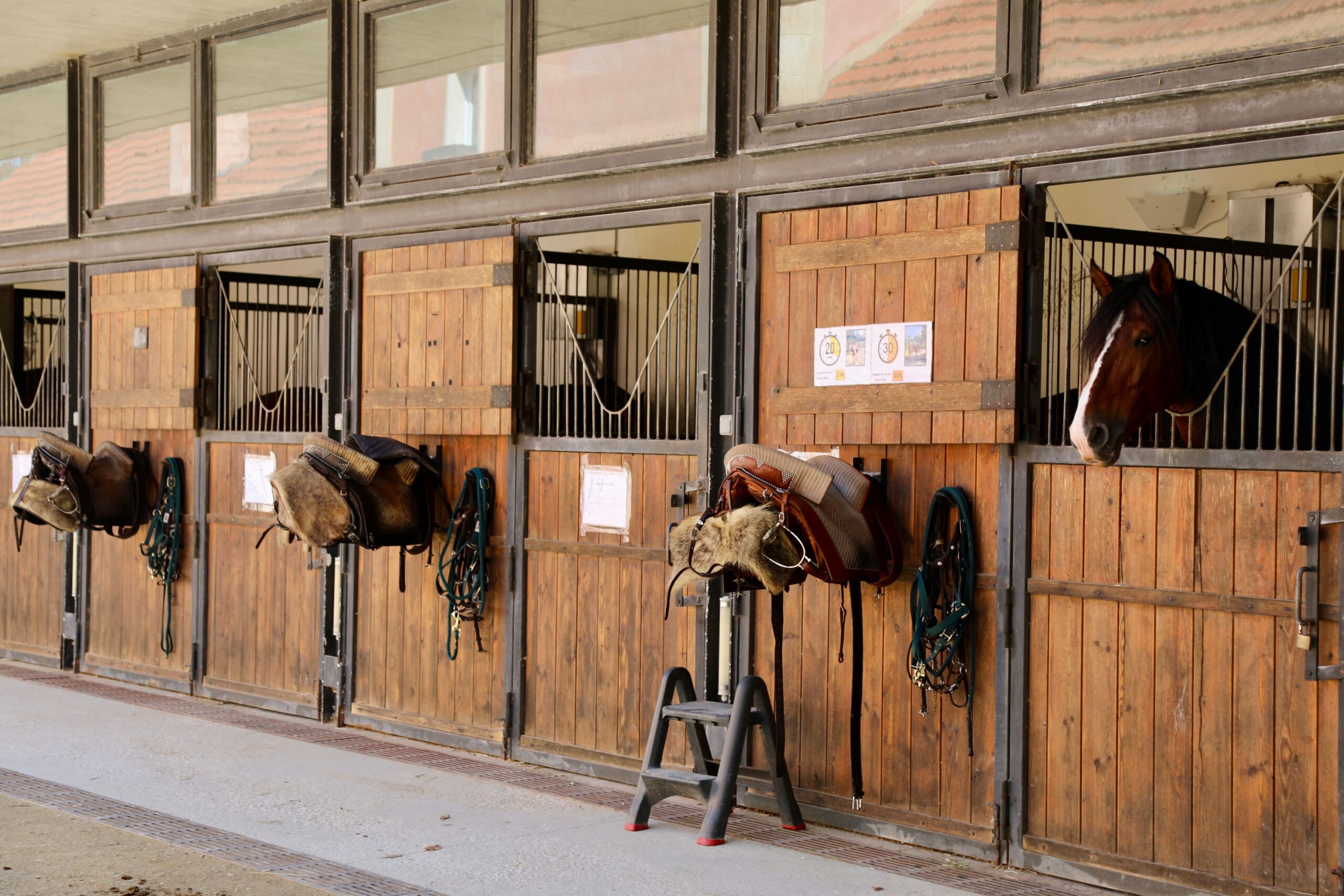
When a boarder stops paying, a barn is in a tough spot: the horse still needs feed, shelter, and care while the bill keeps growing. Pennsylvania law may give the facility a lien, which is a legal claim on property it already holds, to secure what it is owed. The key words are ‘may‘ and ‘possession‘. The ability to sell the horse to recover costs and unpaid bills applies only when a lien already exists under other law, and it provides a method of sale rather than creating a lien. A written contract and advice from counsel are therefore essential.
Remedy 1: Keep Possession While the Lien Is Outstanding
Pennsylvania common law recognizes an agister’s lien in qualifying circumstances. The right to a lien, and the rules for selling a horse to recover unpaid fees, come from several different sources.
Under Pennsylvania common law, someone who has custody of a horse and provides routine care and feeding may hold a possessory lien. A boarding barn can assert it when all three of these are true:
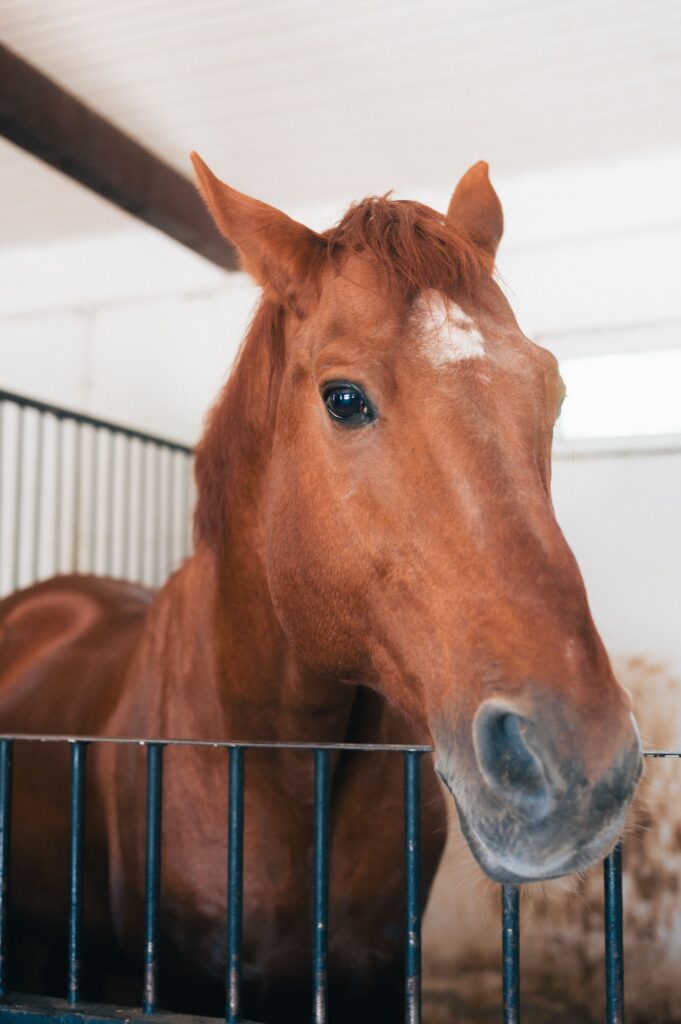
- Possession: the barn has possession or custody of the horse.
- Services provided: it has furnished feed, keeping, care, shoeing, or comparable services or materials that benefit the horse.
- Unpaid balance: there is an unpaid obligation secured by the lien.
No filing required. That is why a boarding agreement can say the lien attaches without court process. A facility does not have to file anything before asserting a possessory lien. Possession is what matters.
Remedy 2: Selling the Horse to Recover Unpaid Fees
Holding a lien and selling the horse are two separate issues. A facility may sell a horse to recover fees only if it has already asserted the possessory lien and follows every step in Title 6 § 11, “Procedure for sale of personal property under common law lien.”
The process has three required steps, in this order:
- Written notice of indebtedness. The facility must send the owner written notice of the amount owed.
- A 30-day waiting period. The facility must wait 30 days before it can proceed.
- A public auction. Any sale must take place at a public auction.
The bottom line: a facility can assert a possessory lien without filing anything, but it cannot sell a horse unless it completes every step above. Skipping the notice, the waiting period, or the auction can undermine the sale. Before relying on either remedy, have a Pennsylvania attorney
review your boarding agreement and your process.
What Should You Gather Before Speaking With an Attorney?
Before your consultation, organize the records that explain the boarding relationship and the unpaid balance. Useful materials to discuss with counsel include:
- The boarding agreement and any amendments.
- Invoices, payment records, and an itemized account of disputed charges.
- Communications about missed payments, payment plans, or requests to remove the horse.
- Available information about the horse’s ownership and the person who signed the agreement.
- Records identifying the services provided and the horse’s current location.
This is a consultation-preparation list, not a statutory notice checklist or authorization to retain or sell the horse.
Talk With Attorney Nate McCormack
An unpaid boarding bill can put your facility in a difficult position, especially when you are still responsible for a horse’s daily care. Before withholding or selling a horse, schedule a consultation with Attorney Nate McCormack at Aevitas Law to discuss your boarding agreement, the unpaid balance, and your potential legal options. Nate’s equine-law practice includes work with Pennsylvania training and boarding businesses, bringing an equestrian perspective to the legal concerns facing your operation.
A boarding facility may have a common-law agister’s lien that supports retaining possession of a horse for unpaid charges in qualifying circumstances. Whether that right exists depends on the boarding arrangement and applicable law. A facility should have Pennsylvania counsel review the agreement and facts before refusing to release a horse.
A qualifying common-law possessory lien does not depend on an initial court filing to arise. However, a dispute over possession or a request for affirmative relief can involve court procedures. A facility should not assume that retaining the horse eliminates the need for legal action or a response to the owner’s lawsuit.
Thirty days of nonpayment alone does not establish authority to sell a horse. If Pennsylvania’s common-law lien sale provisions apply, they address written notice of the debt, a waiting period, an itemized statement verified by oath, notice of a public sale, and the handling of sale proceeds. Counsel should confirm both the facility’s lien rights and the applicable procedure before any sale.
Yes. A horse owner may challenge the claimed debt or the facility’s right to possession. Section 11 expressly addresses a disputed bill through a replevin action within its 30-day period. Replevin is a court procedure concerning the right to possess personal property. A facility facing a challenge should seek legal advice rather than assume its claimed lien conclusively resolves the dispute.
This article provides general information, not legal advice. Pennsylvania does not have a modern, horse-specific stablemen’s lien statute, and applying older lien law to a particular boarding arrangement can be fact-sensitive. A facility should consult Pennsylvania counsel before withholding or selling a horse.


